U.S. business presence
Artindia is U.S.-based. ARTINDIA, LLC was registered in Wyoming in July 2025, with its principal business presence in Brooklyn, New York.
GLOBAL OPERATIONS
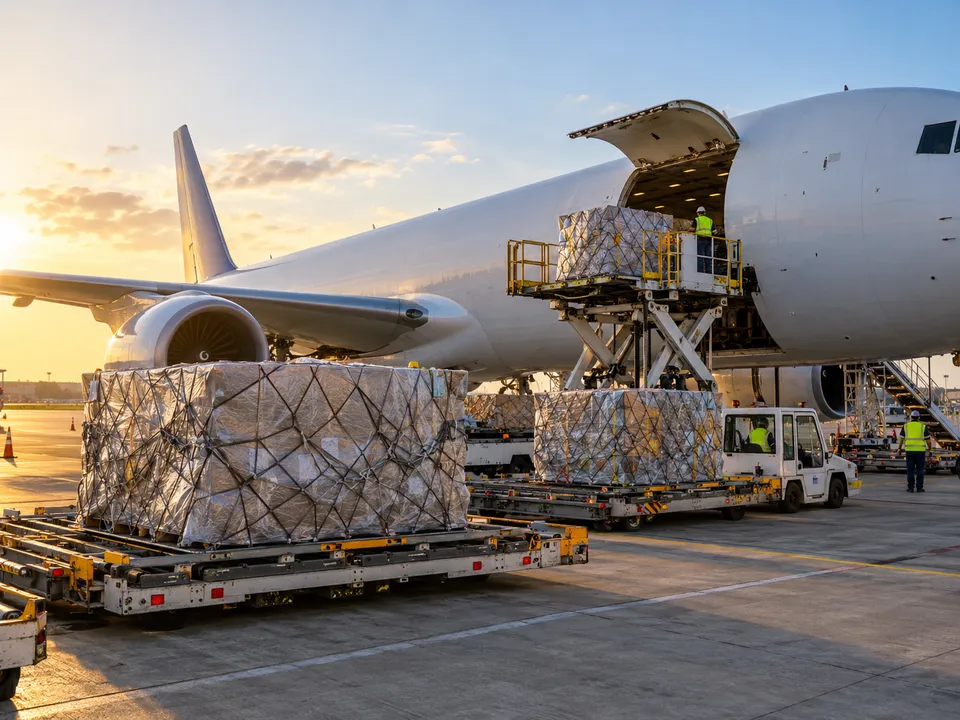
Artindia connects its U.S. business presence with manufacturing plants and warehouses in India. In 2026, our import and export operations reach nearly every country.

OUR OPERATING FOOTPRINT
This overview explains the business structure. Individual products, destinations, and project arrangements require review.
A U.S. business. An operational base in India.
U.S. business
Manufacturing & warehousing
Schematic overview of Artindia's operating model. Connections are illustrative and do not represent live shipments, confirmed transport routes, or a list of facility locations.
Artindia is U.S.-based. ARTINDIA, LLC was registered in Wyoming in July 2025, with its principal business presence in Brooklyn, New York.
Our manufacturing plants and warehouses are located in India. The suitable production or storage arrangement depends on the product and agreed scope.
Artindia operates across global markets. Our reach does not replace the need to review the product, destination, and transaction requirements for each inquiry.
PLANNING A REQUIREMENT
The same product can have different requirements in different markets. Early clarity makes the first conversation useful.
01
Describe the goods, materials, specifications, and how they will be used. The actual product and application determine the starting point for review.
02
Share the origin if known and the destination country, city, or port. State the final delivery location when it is available.
03
Include the quantity with a unit, expected packaging, and target timing. Identify any fixed deadline or recurring requirement.
04
Identify any buyer-appointed freight or customs partners, delivery preferences, and documentation needs so responsibilities can be clarified.
PROJECT-SPECIFIC CONFIRMATION
Delivery responsibilities, documentation, packaging, costs, and timing need to be agreed for the transaction. If your business already works with a freight forwarder or customs broker, include that information with the inquiry.
Read the international shipping guide
Artindia does not deal in chemicals, weaponry, or pharmaceuticals, including all of their related sub-industries. This scope applies across products, destinations, and service discussions.
If a product's classification is unclear, describe its composition and intended use for individual review.
Let’s do business
Include the product, quantity, and destination country. Add the city or port and target timing when known.
Submit Requirements